
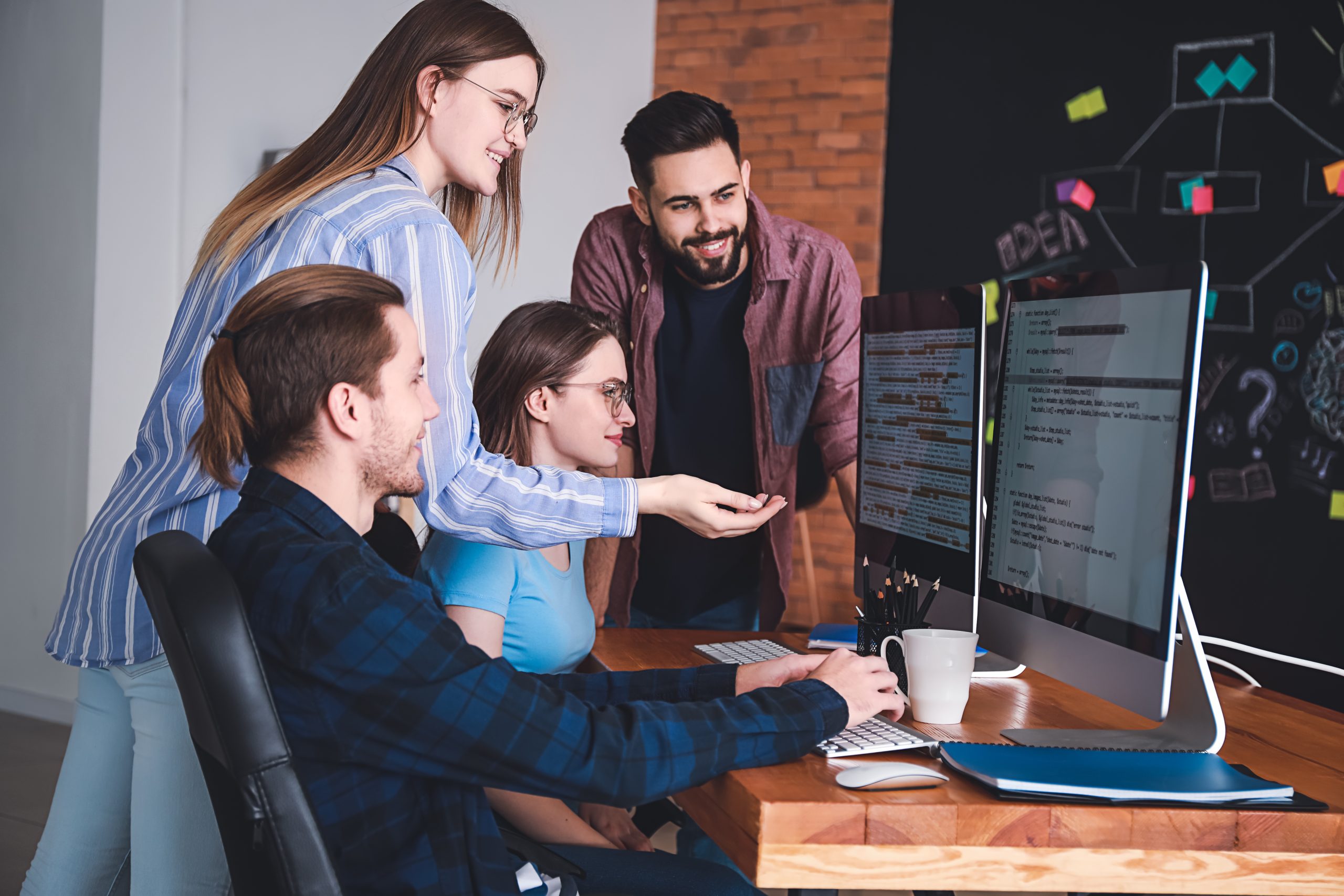
Internal IT teams are under constant pressure to do more with less. Ticket volume rises, security expectations rise, and infrastructure continues to expand. Yet hiring additional specialists is not always realistic for growing Arizona businesses. This is where a more innovative operating model starts to stand out.
Co-managed IT enables organizations to strengthen their internal teams without replacing them. Instead of handing off responsibility, businesses build a collaborative structure where in-house staff and external experts work side by side. The result is greater coverage, more profound expertise, and a healthier IT culture that supports long-term growth.
For companies exploring co-managed IT Mesa, the goal is not outsourcing. It is building a stronger, more resilient IT function that can scale with the business.
A Collaborative Model That Strengthens Internal Teams
At its core, co-managed IT is about partnership. Internal teams retain ownership of strategy and day-to-day priorities, while external specialists provide targeted reinforcement where it matters most. This creates a true hybrid IT model that blends familiarity with scalability.
Rather than replacing internal IT support, co-managed frameworks expand what those teams can realistically achieve. Internal staff maintain institutional knowledge and direct relationships with employees, while external partners bring specialized capabilities and broader operational experience.
This balance is what defines strong managed IT collaboration. It removes the pressure of doing everything internally while preserving control and visibility.
Businesses embracing co-managed support in Mesa, AZ, often describe it as moving from isolated IT operations to a connected ecosystem. Everyone stays aligned, but no one is stretched too thin. For organizations evaluating collaborative IT structures, exploring how Plexus Tech approaches co-managed IT services can provide a helpful perspective.
Reducing Burnout and Alert Fatigue
Burnout is one of the most overlooked risks in internal IT. Many teams are constantly reacting to alerts, patch cycles, and user tickets without enough time to step back and plan strategically.
Co-managed models help redistribute that load. Monitoring, after-hours alerts, and routine maintenance can be shared responsibilities, allowing internal staff to reclaim focus and energy.
Industry insights show that organizations using proactive monitoring often see emergency support costs fall by 60% or more, according to research highlighted in the On-Site Technology co-managed IT benefits guide. That reduction underscores how shared oversight can prevent minor issues from becoming operational emergencies.
By improving IT resource management, companies give their internal teams a more sustainable pace. Instead of chasing issues, they gain time to think ahead and refine infrastructure decisions.
For businesses evaluating co-managed IT Mesa, burnout reduction is not just a morale benefit. It is a retention strategy.
Faster Response Through Shared Coverage
Response times matter, mainly when downtime affects operations or customer experience. Internal teams often struggle with availability gaps during vacations, after-hours incidents, or complex escalations.
A strong MSP partnership naturally fills those gaps. With shared visibility into systems, issues can be addressed faster without relying on a single individual’s availability.
This collaborative coverage model improves continuity. Instead of waiting for one person to respond, organizations benefit from layered support structures that keep services stable.
Companies that use shared IT services often find that uptime becomes more predictable. With shared monitoring and faster escalation paths, minor issues are resolved before they grow into larger disruptions.
For many Arizona businesses, this is where IT Partnership Arizona becomes more than a buzzword. It turns into a measurable operational advantage.
Access to Deeper Technical Expertise
Internal IT teams are often strong generalists. They manage networks, devices, user support, and security controls. But few organizations can justify hiring specialists for every emerging technology.
Co-managed models expand access to expertise without expanding payroll. External engineers bring experience across industries, tools, and environments, strengthening internal teams’ technical bench.
This is especially valuable when navigating complex transitions like cloud migrations, compliance frameworks, or advanced cybersecurity initiatives. A collaborative approach lets internal teams lead strategically while leveraging outside expertise for execution.
Businesses leveraging IT solutions in Mesa through co-managed models often notice faster adoption cycles. With more knowledge available on demand, innovation moves forward without overwhelming internal staff.
It is a practical example of how managed IT collaboration creates upward momentum.
Scaling Without Hiring Pressure
Growth creates complexity. New locations, remote teams, and additional applications all increase IT demands. Yet hiring skilled IT professionals in competitive markets can be difficult and expensive.
Co-managed IT offers a scalable alternative. Instead of expanding headcount immediately, businesses can extend their capabilities through flexible external support.
This approach supports better IT resource management by aligning support levels with business needs. Companies can scale support up during busy periods and rebalance later without restructuring their entire IT department.
For organizations building a hybrid IT model, this flexibility is essential. It allows growth without creating long-term overhead that may not always be necessary.
Companies exploring co-managed IT Mesa often see this as a more brilliant financial strategy as much as an operational one. Businesses weighing broader support structures can also explore how managed IT services complement hybrid environments without disrupting internal ownership.
Shared Tools and Better Visibility
Another overlooked benefit of co-managed IT is access to better tooling. Many providers bring advanced monitoring platforms, automation frameworks, and security dashboards that may be difficult for SMBs to implement independently.
When internal teams and external partners operate from the same tools, visibility improves across the board. Everyone sees the same alerts, performance data, and security insights.
This shared visibility strengthens decision-making. Instead of fragmented data, organizations operate with a unified view of their environment.
Businesses adopting shared IT services frequently find that transparency increases confidence across departments. IT stops feeling reactive and starts feeling structured.
For internal leaders focused on internal IT support, Mesa’s better visibility makes collaboration more productive and less stressful.
Moving from Reactive to Strategic IT
Many internal teams spend most of their time reacting. Tickets, outages, and unexpected issues dominate daily workflows, leaving little room for long-term planning.
Co-managed IT helps rebalance that equation. With operational responsibilities shared, internal leaders can spend more time shaping roadmaps and aligning technology with business goals.
This shift is central to a healthy IT partnership in Arizona. It elevates IT from a support function to a strategic contributor.
Organizations that adopt co-managed support in Mesa, AZ, often report improved planning cycles. Infrastructure upgrades, security initiatives, and modernization projects move forward with clearer direction.
The difference is subtle but powerful. IT stops being defined by urgency and starts being guided by intention.
Why Co-Managed IT Is Gaining Momentum
The rise of co-managed IT is not accidental. Businesses are recognizing that hybrid models provide flexibility that traditional structures cannot match.
Market data reflects this shift. Analysts project the U.S. co-managed IT market will grow from $4.5 billion in 2021 to $8.4 billion by 2028, representing a 12.5% compound annual growth rate, according to research discussed in the TechGuardian co-managed IT market overview.
That trajectory shows how many organizations are embracing MSP partnership strategies to remain agile. Instead of choosing between entirely internal or fully outsourced models, they are building blended ecosystems.
For companies considering IT solutions in Mesa, the appeal is clear. Co-managed IT adapts to how modern businesses actually operate.
Long-Term IT Maturity and Stability
Over time, co-managed IT contributes to stronger operational maturity. Shared standards, better documentation, and more structured processes help internal teams evolve faster.
This collaborative environment encourages continuous improvement. Internal staff gain exposure to new tools and best practices while retaining ownership of their environment.
Companies using shared IT services often see their internal capabilities grow, not shrink. The partnership model builds confidence and competence simultaneously.
For businesses invested in internal IT support in Mesa, this creates a lasting advantage. Instead of staying reactive, teams develop the systems and habits needed for long-term resilience.
Building a Stronger IT Future Together
Co-managed IT works best when it feels like a true partnership. Internal teams remain at the center, supported by external expertise that enhances what they already do well.
At Plexus Tech, our focus has always been on helping Arizona businesses strengthen their internal teams, not replace them. Through collaborative frameworks and flexible support models, we help organizations build IT environments that scale without losing control.
If you are exploring co-managed IT in Mesa or looking to build a more innovative hybrid IT model, understanding how collaborative IT partnerships work in practice can make the path forward more straightforward. And when you are ready to evaluate what that could look like for your organization, contact us to help you take the next step with confidence.
Stronger IT does not always require bigger teams. Sometimes it simply needs better alignment.